
ISANCB and NKPSIMS Conduct BCLS and COLS Training for Students and Patient Relatives
The Indian Society of Anaesthesiologists, Nagpur City Branch (ISANCB), in collaboration with the Department of Anaesthesiology, NKPSIMS and LMH, conducted Basic Cardiac Life Support (BCLS) and Compression-Only Life Support (COLS) training programmes on 16 October 2026 to strengthen life-saving skills and promote awareness of cardiac emergencies.
The activities were organised at two locations to reach both medical students and members of the public.
BCLS Training for Undergraduate Students
BCLS training was conducted for undergraduate students at the Skill Lab, NKPSIMS and LMH. Approximately 40 students participated in the session, which focused on recognising cardiac emergencies and understanding the importance of providing immediate assistance during sudden cardiac arrest.
The training included demonstrations and hands-on practice in chest compressions, helping students develop practical familiarity with essential life-saving techniques.
COLS Training for Patients’ Relatives
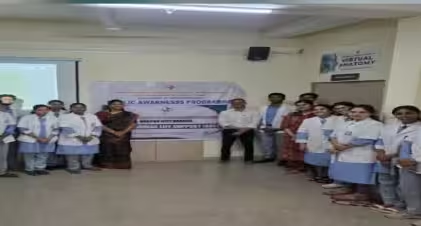
A COLS awareness and training session was also conducted for patients’ relatives at the Outpatient Department (OPD), NKPSIMS and Research Centre (NKPSIMS & RC) and LMH.
Approximately 100 patients’ relatives participated in the programme. Through demonstrations and hands-on chest compression training, participants learned about the importance of early recognition of cardiac arrest and the need for prompt intervention.
The session aimed to increase public awareness and help participants understand how immediate action can make a difference during a cardiac emergency.
Training Team and Community Impact
The training sessions were conducted by Dr Rachana Naitam, Executive Member, ISANCB; Dr Savita Chauhan; Dr Ajeet Jyotipurkar; and Dr Sayli Kulkarni.
By conducting separate sessions for undergraduate students and patients’ relatives, ISANCB and the Department of Anaesthesiology at NKPSIMS and LMH reached approximately 140 participants with practical life-saving education.
These initiatives highlighted the importance of combining demonstrations with hands-on training to improve awareness of cardiac emergencies and the value of early intervention.
Through such collaborative activities, ISANCB continues to promote life-saving skills among future healthcare professionals and the wider community, encouraging greater preparedness and timely action during sudden cardiac arrest.